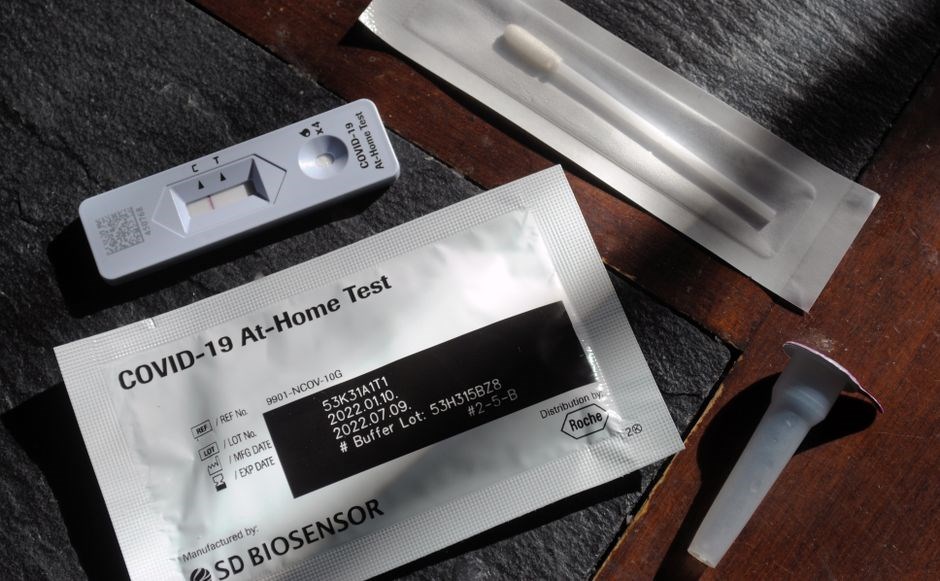
Overview of Cortisol Saliva Testing
Cortisol saliva testing measures hormone levels in a simple, non‑invasive sample. Quest’s kit uses a Salivette to collect overnight saliva, capturing late‑night cortisol that helps screen for Cushing syndrome. Accurate timing and handling are critical for reliable results. Keep samples frozen!!
1.1 What is Cortisol and Why Measure It?
Cortisol is a glucocorticoid hormone produced by the adrenal cortex that plays a central role in metabolism, immune modulation, and the body’s response to stress; Its daily rhythm peaks in the early morning and reaches a nadir late at night. Disruptions of this rhythm, especially elevated late‑night levels, are a hallmark of endocrine disorders such as Cushing syndrome. Measuring cortisol in saliva offers a convenient, non‑invasive window into biologically active fraction of the hormone, because saliva reflects the unbound portion that is readily available to tissues. The Quest Diagnostics saliva test captures late‑night cortisol between 11:00 PM and midnight, a time when healthy individuals normally exhibit very low concentrations. Detecting higher-than‑expected values in this window can prompt further diagnostic work‑up, including repeat testing or additional endocrine evaluations. Because the assay uses liquid chromatography‑tandem mass spectrometry (LC/MS), it provides high specificity and sensitivity, reducing cross‑reactivity with other steroids. Clinicians rely on these results to screen for endogenous Cushing syndrome, monitor treatment efficacy, and investigate disorders of the hypothalamic‑pituitary‑adrenal axis. Proper collection—avoiding food, drink, and oral hygiene activities for at least 15 minutes before sampling—and immediate freezing of the specimen are essential to preserve hormone stability and ensure accurate quantification.
1.2 Clinical Applications (Cushing Syndrome Screening)
The Quest Diagnostics late‑night salivary cortisol test is a cornerstone in the evaluation of suspected endogenous Cushing syndrome. By collecting a single sample between 11:00 PM and midnight, the assay captures cortisol at its nocturnal nadir, a period when healthy individuals typically exhibit minimal hormone levels. A markedly elevated value during this window is a strong indicator of hypercortisolemia. The laboratory uses liquid chromatography‑tandem mass spectrometry (LC/MS) to quantify cortisol with high specificity, reducing cross‑reactivity with other steroids and ensuring accurate results even at low concentrations. Current endocrine guidelines recommend obtaining two or more positive late‑night samples to confirm a diagnosis; a single abnormal result may prompt repeat testing or additional confirmatory studies such as an overnight dexamethasone suppression test or plasma ACTH measurement. Beyond initial screening, the test is valuable for monitoring therapeutic response in patients undergoing adrenalectomy, radiation, or steroid‑sparing pharmacologic regimens, as serial late‑night values provide a non‑invasive marker of cortisol suppression and help guide dose adjustments. The assay’s rapid turnaround time, minimal patient burden, and cost‑effectiveness make it an attractive option for primary care and endocrinology practices. Moreover, because the test is performed on a saliva specimen, it eliminates the need for venipuncture, reduces patient anxiety, and allows for home collection, thereby improving compliance and facilitating large‑scale screening in high‑risk populations such as patients with obesity, hypertension, or type 2 diabetes. In summary, the Quest late‑night salivary cortisol test offers a reliable, patient‑friendly, and evidence‑based tool for the detection, confirmation, and management of Cushing syndrome. Patients should follow pre‑collection instructions carefully!
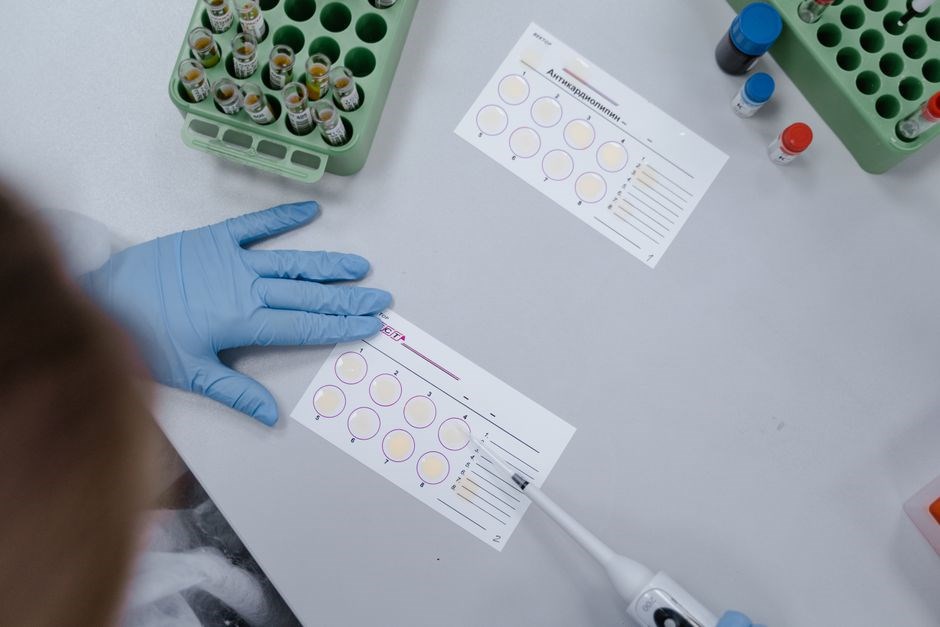
Quest Diagnostics Cortisol Saliva Test Kit
Quest’s cortisol saliva kit arrives pre‑filled with a sterile Salivette, a clear plastic tube, a labeled return envelope, and a detailed instruction sheet. The kit is packaged in a secure, tamper‑evident box, ensuring sample integrity from home collection to lab delivery. Follow kitinstructions now.!!
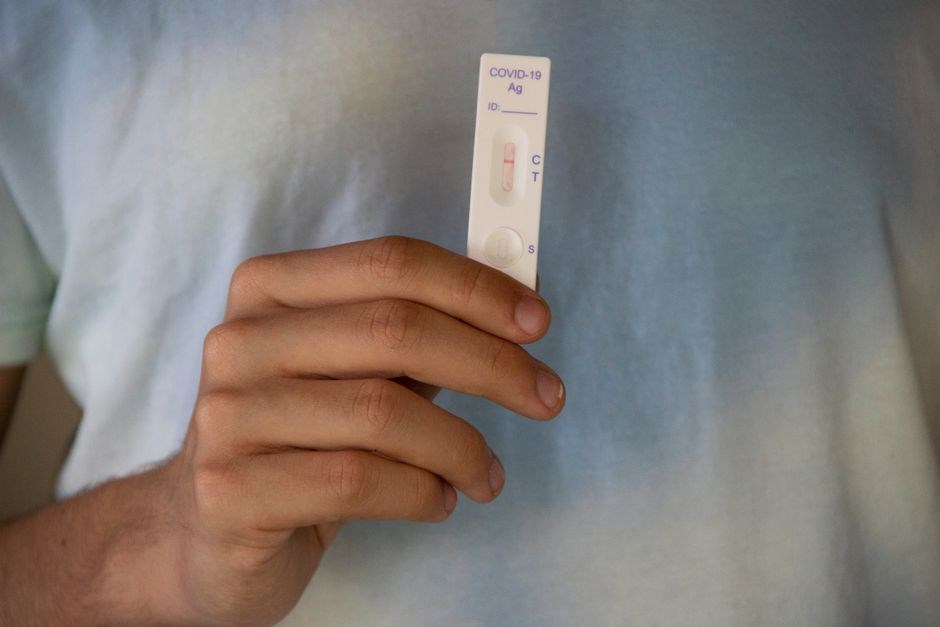
2.1 Kit Components and Packaging
Quest Diagnostics provides a comprehensive cortisol saliva test kit that arrives in a secure, tamper‑evident packaging designed to preserve sample integrity from the moment it leaves the manufacturer to the laboratory. Inside the outer cardboard box, you will find a single sterile Salivette tube, pre‑labeled with your unique identification code and the collection date. The Salivette contains a cotton pad that is engineered to absorb saliva efficiently while preventing contamination from external surfaces. Alongside the tube, the kit includes a clear, sealed return envelope with a pre‑printed shipping label, ensuring that the sample reaches the Quest laboratory within the required 24‑hour window. A set of detailed, step‑by‑step instructions is affixed to the inside of the box, written in plain language and illustrated with diagrams that demonstrate the correct positioning of the Salivette, the timing of saliva saturation, and the proper method for sealing the sample before refrigeration. The kit also contains a small, insulated cooler pack that can be used to keep the sample at a stable temperature during transport, especially if you are not able to freeze the sample immediately. All components are manufactured under strict quality control standards, and the entire kit is packaged in a way that protects against breakage, moisture, and accidental exposure to light, which could degrade cortisol levels. By following the instructions, patients can collect a reliable sample at home, ensuring accurate results for diagnosing Cushing syndrome.
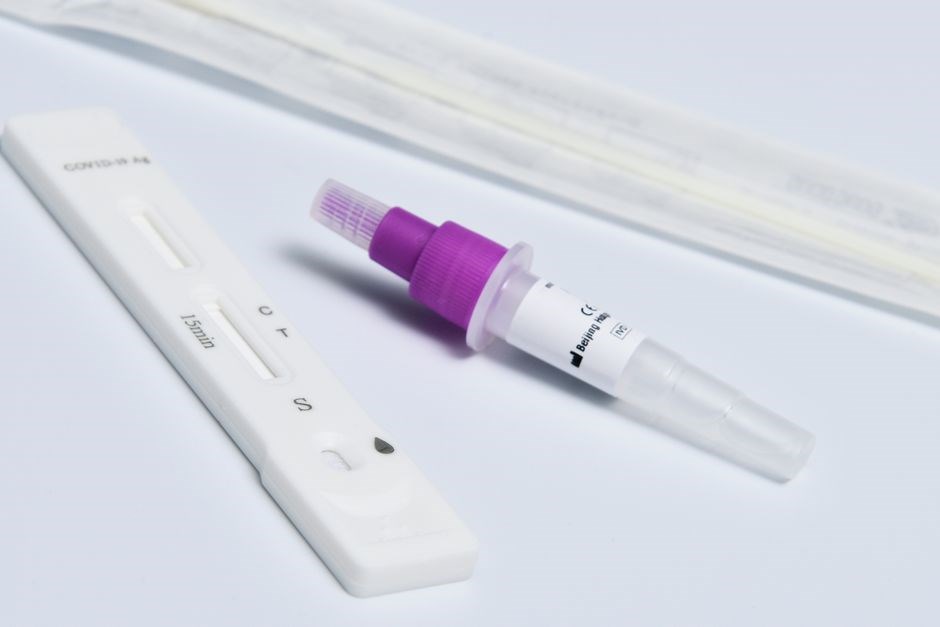
2.2 Device Specifics (Salivette vs Esoterix)
The Quest cortisol saliva kit supplies two interchangeable collection devices – the Salivette and the Esoterix – each built to capture late‑night cortisol with minimal user error. Both devices contain a sterile absorbent pad housed in a sealed tube, but their visual cues differ. With the Salivette you remove the stopper, hold the tube by the rim of the suspended insert and place the pad under the tongue. Keep the pad in place for roughly two minutes until it is well‑saturated, then reseal the tube and freeze it. The Esoterix system uses a similar pad but includes a blue line on the side of the tube that fades as saliva is absorbed. When the line disappears the pad has reached the required saturation, eliminating the need for a timed count. After saturation, replace the stopper, label the tube and store it frozen. Both devices are compatible with Quest’s LC/MS assay, and the choice does not affect analytical sensitivity; the main difference is the Salivette’s timed soak versus the Esoterix’s color‑fade indicator.
Regardless of the device, the tube must be tightly sealed after collection to avoid leakage. Label the tube with the date, time, and patient identifier provided on the kit. Place the sealed tube in the freezer immediately; cortisol remains stable when frozen at –20 °C for up to 14 days. When shipping, keep the frozen tube on ice packs and use the prepaid envelope to return it to Quest within the stipulated 24‑hour window.
Sample Collection Timing and Preparation
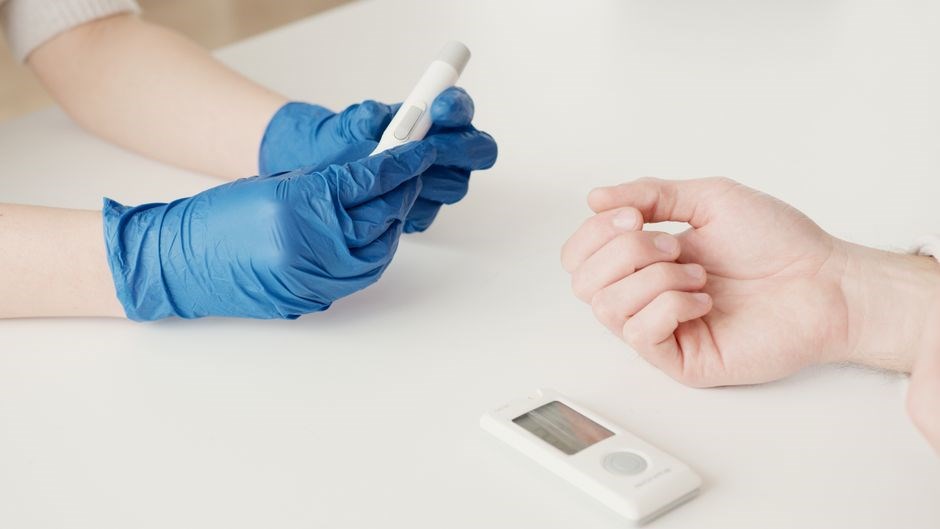
Collect your sample between 11:00 PM and midnight to capture the late‑night cortisol peak. Refrain from eating, drinking, or brushing teeth for at least 15 minutes before sampling. Follow the kit’s instructions to ensure accurate, reliable results. Store sample in freezer and ship within 24 hrs!
3.1 Optimal Collection Window (11:00 PM – Midnight)
Late‑night salivary cortisol (LNSC) is the most reliable marker for detecting endogenous Cushing syndrome. Quest Diagnostics recommends collecting the specimen between 11:00 PM and midnight to capture the natural circadian nadir of cortisol. The timing window is chosen because cortisol levels typically fall to their lowest point during the early hours of the night, maximizing contrast between normal and elevated hormone production. Patients should schedule the collection as close to midnight as possible; any time within the 11:00 PM–12:00 AM window is acceptable. To ensure consistency, the same time should be used for each sample if multiple collections are required. Avoid vigorous exercise, caffeine intake, or stress‑inducing situations during the hour preceding the collection. The kit’s Salivette device is pre‑sealed and labeled with the collection time stamp. After sleeping, remove the device, expose the absorbent pad, and place it under the tongue for approximately two minutes. Once saturated, seal the pad and immediately place it in a freezer at 0 °F or below. Ship the sample to the laboratory within 24 hours of collection, maintaining the cold chain. Failure to adhere to the specified window can lead to inaccurate results, as cortisol levels rise rapidly after midnight, potentially masking an abnormal elevation. Therefore, strict compliance with the 11:00 PM–midnight window is essential for reliable screening and diagnosis. Keeping a log of bedtime and wake time helps correlate cortisol rhythms with sleep patterns, aiding clinicians in interpreting results. This approach aligns with laboratory protocols, ensuring consistent processing times daily—please.
3.2 Pre‑Collection Restrictions (Eating, Brushing Teeth)
Before collecting a late‑night saliva sample for the Quest Cortisol test, patients must observe strict pre‑collection restrictions to avoid contamination and maintain sample integrity. First, refrain from eating or drinking anything for at least 15 minutes before the collection. This pause ensures that residual food particles or beverages do not interfere with cortisol measurement. Second, avoid brushing teeth, flossing, or using mouthwash immediately prior to sampling. Oral hygiene products can leave residues that alter the saliva’s composition and potentially skew cortisol readings. Instead, perform any oral cleaning at least an hour before the scheduled 11:00 PM–midnight window. Third, abstain from vigorous exercise, smoking, or alcohol consumption in the two hours leading up to the collection, as these activities can transiently elevate cortisol levels. Fourth, avoid any stress‑inducing situations or significant emotional events during the hour before bedtime, since cortisol is highly responsive to stress. Finally, keep the collection kit sealed and protected from extreme temperatures until the exact moment of sampling. By following these restrictions, patients help ensure that the cortisol concentration reflects true physiological levels rather than external influences, thereby improving the accuracy of the Quest test results and!! Please note that any deviation from these guidelines may require a repeat collection to guarantee clinical interpretation. Adhering to these guidelines ensures the sample’s validity and supports accurate clinical decision‑making. Patients who follow the instructions precisely reduce the likelihood of false positives or negatives, leading to more reliable diagnoses. Always keep the kit refrigerated until use.
Step‑By‑Step Collection Procedure
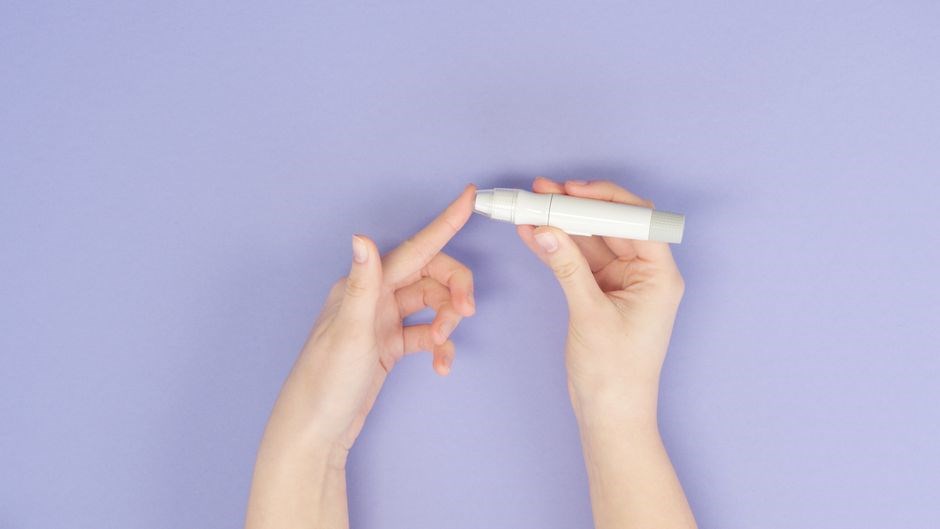
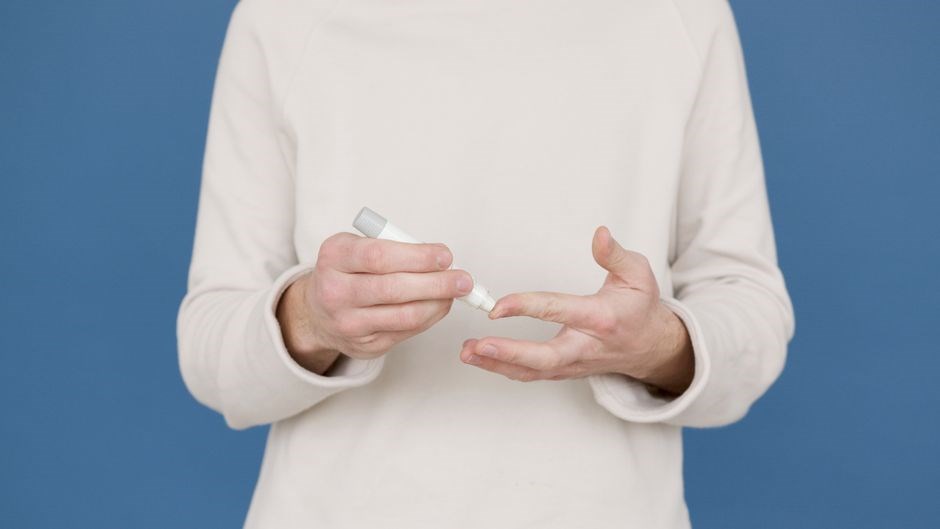
Position the Salivette at the rim, remove the stopper, and hold the handle. Place the absorbent pad under the tongue until saturated, about 2 minutes. For Esoterix, wait for the blue line to disappear. Seal, label, and freeze immediately. Keep cold now.
4.1 Positioning the Salivette or Esoterix Device
Begin by opening the Quest saliva collection kit on a clean surface and locating the Salivette or Esoterix device. Each device contains an absorbent pad inside a plastic tube with a removable stopper. For the Salivette, hold the tube by its smooth handle, lift the rim of the suspended insert, and carefully remove the stopper. Position the open end of the tube under the tongue, allowing the pad to rest against the floor of the mouth. Keep the head slightly tilted back and avoid touching the lips or teeth with the handle. The pad should be centered so saliva can pool freely. Hold the device steady for about two minutes; the pad will swell as it becomes saturated. When using the Esoterix device, the steps are similar but a blue indicator line on the side of the tube provides visual confirmation. After removing the stopper, observe the line; as saliva fills the pad the line fades and eventually disappears. Once the line is no longer visible, the sample is considered fully saturated. Throughout the process maintain an upright orientation and ensure no food, drink, or toothpaste residue contaminates the pad. After saturation, replace the stopper securely to seal the tube and prevent leakage before freezing. Finally, label the tube with the date and time of collection, store it upright in a freezer at –20 °C, and arrange shipment to the laboratory within 24 hours to preserve cortisol integrity. Secure the stopper firmly this avoids any sample loss now.
4.2 Saliva Saturation and Timing (≈2 Minutes)
After the device is correctly positioned, the absorbent pad must be allowed to saturate with saliva for roughly two minutes. This duration is critical; too short and the cortisol concentration may be underestimated, too long and the sample could become diluted by saliva flow or contaminated by oral debris. The pad’s swelling is a visual cue: it expands noticeably as it absorbs fluid. For the Salivette, the pad will visibly puff up, while for the Esoterix device the blue line on the side of the tube will fade and eventually disappear when saturation is complete. Once the pad has reached full saturation, remove the device from the mouth, replace the stopper, and immediately place the tube in a freezer set to –20 °C. Maintaining the sample at this temperature preserves cortisol stability until shipment. If the pad is not fully saturated, the cortisol measurement may be unreliable, so it is essential to follow the two‑minute rule strictly; The kit instructions advise not to touch the pad with fingers or lips during this period. After freezing, label the specimen with the collection time and date, and ship it to the laboratory within 24 hours to ensure accurate analysis. Proper timing and saturation guarantee that the cortisol levels reflect the true physiological state at the specified late‑night window, which is essential for diagnosing conditions such as Cushing syndrome. Store the sealed tube in the freezer until the lab receives it, preserving integrity.!!

Post‑Collection Sample Handling and Shipping
After collection, immediately freeze the Salivette at –20 °C. Keep it sealed and label with date/time. Ship to Quest within 24 h using the provided prepaid envelope. Do not thaw; keep cold to preserve cortisol integrity. Contact the lab if shipping delays occur. Ship overnight to preserve sample!
5.1 Freezing Requirements and Duration
After you have completed the saliva collection with the Quest Salivette, the sample must be frozen promptly to preserve cortisol stability. Place the sealed Salivette in a freezer set to at least –20 °C (‑4 °F) as soon as possible, ideally within five minutes. The low temperature halts enzymatic activity and prevents degradation of the hormone, ensuring that the measured concentration reflects physiological level at the time of collection. Keep the tube upright and avoid stacking heavy items on top of it, which could cause leakage or breakage of the absorbent pad. Label the container clearly with the patient’s name, collection date, and exact time of sampling; this information is critical for the laboratory to interpret the result correctly. Once frozen, store the sample in a dedicated freezer compartment that is not subject to frequent temperature fluctuations. Do not transfer the specimen to a refrigerator or allow it to thaw and refreeze, as repeated temperature cycles can alter cortisol concentrations. The specimen should remain frozen for no longer than 24 hours before it is shipped to the Quest Diagnostics laboratory. During this period, maintain a continuous cold chain: place the frozen Salivette in the insulated shipping sleeve with the frozen gel pack, and seal securely. If you anticipate a delay beyond 24 hours, contact the lab, but under normal circumstances the sample must be dispatched within the 24‑hour window to ensure accurate results.
5.2 Shipping Instructions and Lab Contact
After freezing, the sample must be shipped within 24 hours. Use the Quest Diagnostics shipping kit, which includes an insulated bag and a pre‑paid return envelope. Place the frozen Salivette in the insulated bag, add the gel pack, seal the bag, and affix the return envelope. Label the envelope with the patient’s name, date of collection, and contact phone. Ship via overnight courier or USPS Priority Mail. Do not use express shipping that may cause temperature fluctuations. If you have questions or need to reschedule, call Quest Diagnostics at 1‑800‑XXX‑XXXX or email lab@questdiagnostics.com. The lab will confirm receipt and provide a tracking number. Keep the tracking number for reference. Do not leave the sample unattended; store it in a freezer until it is shipped. If you experience any delays, notify the lab immediately to avoid compromising the sample integrity. The lab will process the sample upon arrival and send results to your healthcare provider within 7–10 business days. If you need to contact the lab for status updates, use the same phone number or email. Ensure that the sample is not exposed to temperatures above 4 °C during transit. The lab’s shipping guidelines are designed to maintain sample stability and ensure accurate cortisol measurement. Please keep the sample sealed until you ship it, and avoid exposing it to extreme temperatures or sun you!!! thaw the sample, contact the lab immediately for guidance on whether it can still be used!!.